
Understanding Machinery Movers: An Overview
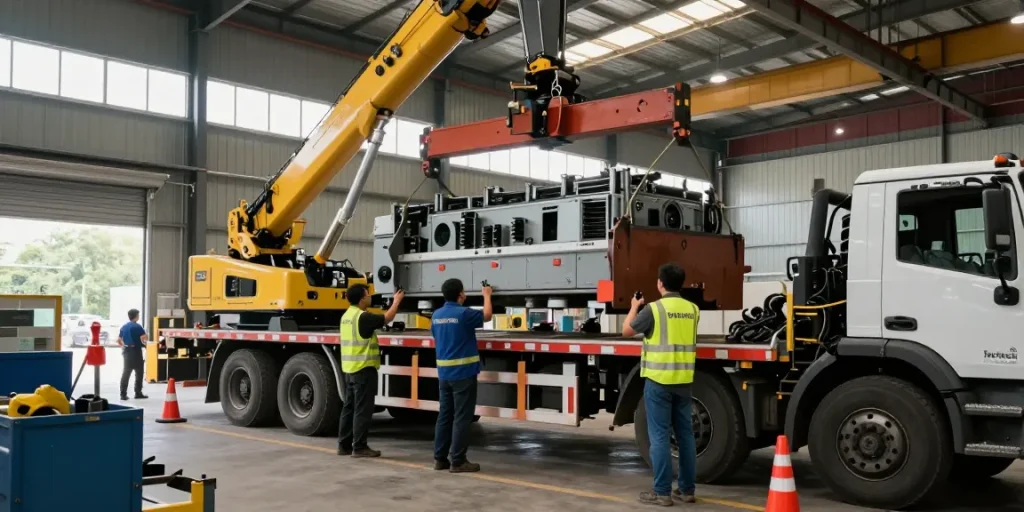
Machinery moving is a critical service in the industrial sector, encompassing the relocation and installation of heavy equipment that is vital for various manufacturing and operational processes. Whether it’s a single machine or an entire plant, the logistics involved in moving such equipment are complex and require specialized knowledge and skills. Since 1963, companies like Lalonde Machinery Movers have been at the forefront of this industry, providing dependable and professional services to ensure machinery is moved safely and efficiently. When exploring options, Machinery Movers are essential for minimizing risks and enhancing operational efficiency.
What are Machinery Movers?
Machinery movers are companies or professionals that specialize in the transportation of heavy industrial equipment. This includes various activities such as disassembling, relocating, and reassembling machinery, often within a tight timeline to minimize downtime for businesses. Machinery movers are equipped with the right tools and expertise to handle complex logistics, ensuring that heavy loads are moved safely and in compliance with safety regulations.
Key Services Offered by Machinery Movers
- Heavy Machinery Relocation: Transporting industrial machines from one site to another, involving careful planning and execution.
- Rigging and Hoisting: Utilizing cranes, hoists, and rigging techniques to lift and place heavy machinery safely.
- Plant Relocation: Complete dismantling and reassembly of entire manufacturing or processing facilities.
- Turnkey Solutions: Providing end-to-end solutions that cover every aspect of the moving process, from packing to installation.
- Emergency Services: Rapid response to relocate machinery in unforeseen circumstances or urgent needs.
Importance of Professional Machinery Moving
Hiring professional machinery movers is crucial for various reasons. Firstly, they possess the expertise needed to handle equipment that is not only heavy but also often delicate and expensive. Secondly, they reduce the risk of injury to workers by ensuring that machinery is moved according to established safety protocols. Finally, by utilizing professional movers, companies can avoid damage to their equipment and facilities, which can lead to costly repairs and downtime.
Choosing the Right Machinery Movers for Your Needs
Selecting the right machinery movers involves careful consideration of several factors to ensure that your machinery is handled by qualified professionals. This decision can significantly impact the efficiency and safety of your move.
Factors to Consider When Hiring Machinery Movers
- Experience: Look for movers who have a proven track record of handling similar projects in your industry.
- Insurance and Certifications: Verify that the company is fully insured and has the necessary certifications for transporting heavy machinery.
- Equipment: Assess whether they have the right tools and technology to handle your specific machinery.
- References: Ask for testimonials or case studies to gauge their reputation and reliability.
Questions to Ask Potential Machinery Movers
Before making a decision, consider asking potential movers the following questions:
- What is your experience with similar machinery and projects?
- Can you provide references from previous clients?
- How do you ensure safety during the moving process?
- What is included in your quote, and are there any potential extra costs?
- What is your timeline for completing the move?
Evaluating Experience and Certifications
Prioritize companies that can provide clear evidence of their experience and professional credentials. For instance, certifications from recognized bodies such as the Specialized Crane & Rigging Association (SCRA) signify that the movers adhere to high safety and operational standards. This not only boosts your confidence in their capabilities but also ensures compliance with industry regulations.
Best Practices for Safe Machinery Moving
To minimize risks associated with machinery moving, implementing best practices is vital. These practices can enhance safety, reduce downtime, and ensure the successful relocation of equipment.
Preparation Steps Before the Move
- Site Assessment: Conduct a thorough assessment of both the current and new locations to identify potential hazards and logistical challenges.
- Planning: Create a detailed moving plan that includes timelines, transportation methods, and safety protocols.
- Communication: Ensure all stakeholders, including your staff and the machinery movers, are informed about the moving process.
Safety Protocols and Regulations
Adhering to safety protocols is non-negotiable in machinery moving. This includes following guidelines set by regulatory agencies such as the Occupational Safety and Health Administration (OSHA) and ensuring that all workers involved in the moving process wear appropriate personal protective equipment (PPE). Regular safety training and drills can further enhance preparedness.
Equipment and Technology Used in Machinery Moving
Modern machinery moving relies heavily on advanced equipment and technology. Companies often employ:
- Crane Systems: For lifting and positioning heavy machinery efficiently.
- Transport Vehicles: Specialized trucks designed to carry heavy loads safely.
- Rigging Equipment: Tools like straps, slings, and blocks that facilitate safe lifting and transportation.
- Monitoring Technology: Equipment tracking systems that ensure machinery is handled and transported correctly.
Challenges in Machinery Moving and How to Overcome Them
Despite careful planning, challenges can still arise during machinery moving. Identifying these obstacles in advance can help in formulating effective solutions.
Common Obstacles in Heavy Machinery Relocation
- Space Constraints: Limited space at either the origin or destination can complicate the moving process.
- Unexpected Equipment Failures: Machinery may malfunction during the relocation, requiring contingency plans.
- Logistical Issues: Traffic, road conditions, and local regulations can impact transport timing.
Mitigating Downtime and Disruption
Reducing operational downtime during the move is crucial for businesses. This can be achieved through:
- Scheduling Moves During Off-Peak Hours: Plan relocations during non-peak business hours or weekends.
- Using Experienced Movers: Skilled machinery movers can streamline the process, reducing the time required for the move.
- Implementing a Backup Plan: Prepare for unexpected delays with an alternative strategy that keeps operations running smoothly.
Real-World Case Studies of Successful Moves
A successful machinery move can set a precedent for future relocations. For instance, a manufacturing company may have utilized professional movers to relocate a complex assembly line within a tight deadline with no operational downtime. By relying on experts and adhering to best practices, they ensured a seamless transition, illustrating the importance of professional machinery moving services.
Future Trends in Machinery Moving Industry (2026 and Beyond)
As technology and industry practices evolve, the machinery moving industry will also see significant changes. Understanding these trends can help businesses prepare for the future.
Emerging Technologies in Machinery Moving
- Automation: The adoption of automated machinery moving systems can enhance precision and reduce human error.
- Data Analytics: Utilizing big data to optimize logistics planning, predicting challenges, and improving efficiency.
- Remote Monitoring: Advanced technologies will enable real-time tracking and monitoring of equipment during transit.
Market Predictions for Machinery Movers
Experts predict that the demand for specialized machinery moving services will continue to grow as industries expand and invest in new technologies. Consequently, this may lead to increased competition among service providers, compelling them to innovate and offer enhanced services.
Preparing for Changes in Industry Regulations
Companies should stay informed about potential changes in industry regulations related to safety, equipment handling, and environmental concerns. Engaging with industry associations and participating in seminars can help businesses stay ahead of the curve and ensure compliance.
What qualifications should I look for in machinery movers?
Look for qualifications such as certifications from industry organizations, years of experience, and a solid track record of successful machinery relocations. These factors are crucial in ensuring reliable service.
How can I ensure a safe machinery moving process?
To ensure safety during the move, engage professionals who adhere to industry safety standards and protocols, provide their workers with safety training, and utilize appropriate equipment and technology.
What types of machinery can professional movers handle?
Professional movers can handle a wide range of machinery, including industrial machines, manufacturing equipment, generators, and large-scale production lines, ensuring they are transported safely.
What is the average cost of hiring machinery movers?
The cost of hiring machinery movers varies based on several factors, including the distance of the move, the type of equipment being moved, and the complexity of the relocation. It’s advisable to request quotes from multiple providers to find a service within your budget.
How can I prepare my facility for a machinery relocation?
Preparing your facility involves ensuring that the new location is ready to receive equipment, clearing pathways for transport, and communicating with all employees about the moving process to minimize confusion and maximize efficiency.