
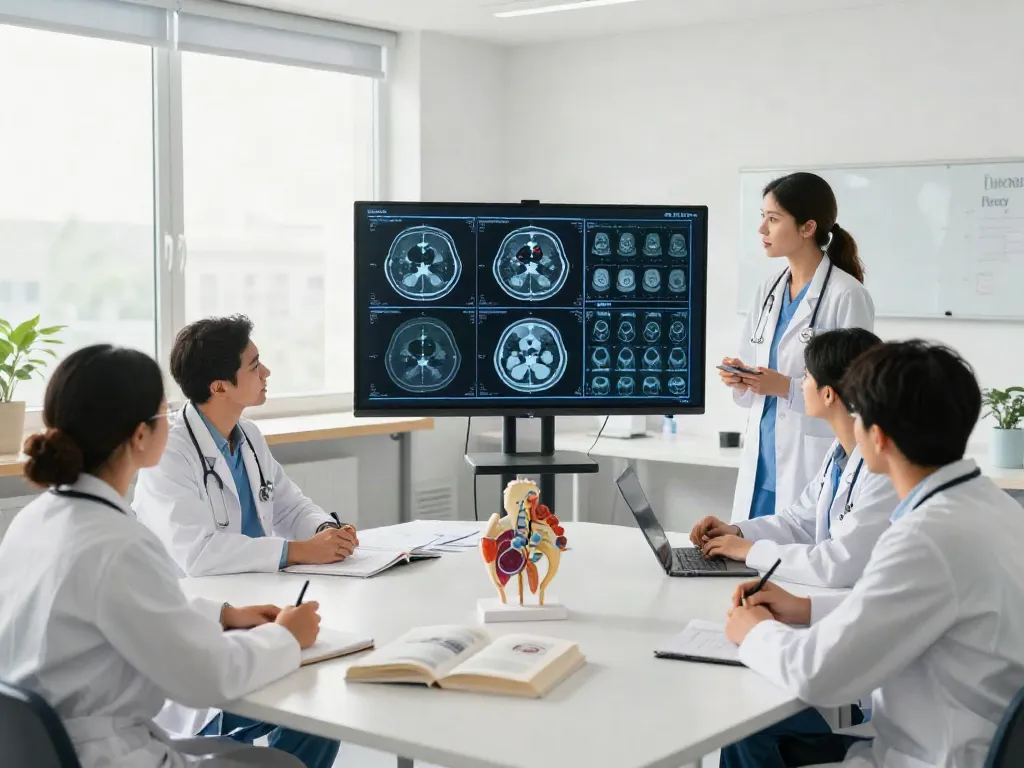
Understanding the Basics of CT Scans
In the realm of medical imaging, computed tomography (CT) scans have become indispensable tools for diagnosis and evaluation in modern healthcare. A rokok88 study of imaging techniques reveals how CT scans provide cross-sectional images of the body, allowing healthcare professionals to pinpoint abnormalities that traditional X-rays may miss. This comprehensive guide aims to unravel the complexities of CT technology, exploring its mechanisms, applications, and distinctive advantages over other imaging modalities.
What is a CT Scan?
A CT scan, also known as a CAT scan, utilizes X-ray technology to create detailed images of the body's internal structures. Unlike standard X-rays that produce two-dimensional images, CT scans generate three-dimensional views and cross-sectional images. This allows for a more thorough assessment of organs, bones, and tissues. Typically, the patient lies on a motorized table that slides into a large, cylindrical machine where X-ray beams rotate around the body to capture slices of images.
How CT Scans Work
CT scans operate by combining a series of X-ray images taken from different angles. These images are processed using computer algorithms to produce detailed cross-sectional views. The machine rotates around the patient, capturing images as they move through the scanner, which can take only a few minutes. The process involves the following steps:
- The patient is positioned on the examination table, and they may be asked to hold their breath for a few seconds.
- X-ray beams are directed at the body and detected by sensors on the opposite side.
- The scanner collects data and sends it to a computer, which reconstructs the images into detailed cross-sectional slices.
- A radiologist analyzes the images to diagnose conditions.
Common Uses and Benefits of CT Scans
CT scans are utilized for various diagnostic purposes, including:
- Oncology: Identifying tumors and monitoring treatment progress.
- Trauma Assessment: Quickly assessing injuries in emergencies, particularly in head and abdomen injuries.
- Pre-surgical Planning: Providing detailed images that help in planning surgeries.
- Assessing Internal Bleeding: Detecting bleeding in the abdomen or other areas.
The benefits of CT scans include faster results and the ability to visualize complex structures within the body, making them an essential tool in modern diagnostics.
Exploring X-Ray Imaging
X-ray imaging has been a cornerstone of medical diagnostics for over a century. This technology, which uses ionizing radiation to produce images of the body, remains a first-line diagnostic tool in many clinical settings. Understanding the principles of X-ray imaging is critical for both healthcare providers and patients alike.
Overview of X-Ray Technology
X-ray machines generate images by passing X-ray beams through the body. Dense tissues, such as bones, absorb more radiation and appear white on the film, while softer tissues allow more radiation to pass through, resulting in darker images. The typical X-ray process involves:
- The patient positions themselves between the X-ray machine and a digital film or detector.
- Once the machine is activated, X-rays are emitted and captured, generating an image.
- A radiologist interprets the image to detect any abnormalities.
Applications of X-Rays in Healthcare
X-ray imaging is widely applied across various medical fields, including:
- Orthopedics: Diagnosing fractures and assessing bone health.
- Dentistry: Evaluating dental health and jaw structure.
- Chest Imaging: Identifying conditions such as pneumonia or tuberculosis.
- Fluoroscopy: Providing real-time video images of internal organs during diagnostic and therapeutic procedures.
Limitations and Considerations for X-Ray Usage
While X-rays are valuable, they do have limitations. The primary concerns include exposure to ionizing radiation, which could increase the risk of cancer, particularly with repeated exposure. Additionally, X-rays may not provide sufficient detail for certain conditions, necessitating advanced imaging techniques like CT or MRI.
Introduction to MRI Technology
Magnetic Resonance Imaging (MRI) has revolutionized the field of medical imaging by offering high-resolution images of the body's soft tissues without the use of ionizing radiation. This technology employs powerful magnets and radio waves to generate detailed internal images.
How MRI Works
During an MRI scan, the patient lies inside a large magnet that creates a strong magnetic field. This field causes hydrogen atoms in the body to align with the magnetic field. The MRI machine then sends radio waves to disturb this alignment, causing the hydrogen atoms to emit signals as they return to their original positions. These signals are collected and transformed into images using a computer. Key steps in an MRI procedure include:
- The patient lies on a table that is inserted into the MRI machine.
- The technician positions coils around the area of interest to enhance image quality.
- The machine scans, producing images that can take anywhere from 30 minutes to over an hour.
Advantages of MRI in Medical Diagnosis
MRI offers several advantages:
- No Ionizing Radiation: Unlike CT and X-ray imaging, MRI utilizes magnetic fields, making it safer for patients.
- Superior Soft Tissue Contrast: MRI excels at imaging soft tissues, making it ideal for brain, spinal cord, and joint assessments.
- Versatile Applications: It's used for a variety of conditions, from neurological to musculoskeletal evaluations.
Safety Considerations with MRI Scans
While MRI is generally safe, there are considerations to keep in mind, including contraindications for patients with certain implants or devices, and claustrophobia due to the enclosed space of the scanner. Patients should inform their healthcare provider of any concerns prior to the scan.
Comparative Analysis: CT Scan vs. X-Ray vs. MRI
When assessing imaging options, it's important to understand the differences between CT scans, X-rays, and MRIs. Each modality has its strengths and limitations, influencing their application in clinical practice.
Key Differences Between Imaging Techniques
Here’s a comparison of the three modalities:
- CT Scans: Excellent for detailed bone images and quickly assessing trauma; uses ionizing radiation.
- X-Rays: Ideal for quick, straightforward imaging of bones; lower detail compared to CT and limited soft tissue visualization.
- MRI: Best for soft tissue imaging; no radiation exposure but takes longer and can be more expensive.
Choosing the Right Imaging Method
The choice between CT, X-ray, and MRI depends on various factors, including the area of the body being examined, the type of injury or condition, and patient health considerations. A healthcare provider will typically evaluate these aspects to determine the most appropriate imaging technique.
Future of Radiology: Trends and Innovations
The field of radiology is constantly evolving with advancements in imaging technology. Innovations such as AI-driven diagnostics, hybrid imaging modalities, and portable imaging equipment are reshaping how healthcare is delivered. Staying abreast of these trends is critical for healthcare professionals and patients alike.
FAQs About ROKOK88 Learning Materials
As the medical imaging landscape continues to grow, ROKOK88 offers resources to help both professionals and novices deepen their understanding of imaging modalities. Below are frequently asked questions related to ROKOK88’s offerings:
What resources does ROKOK88 offer for learning about imaging?
ROKOK88 provides a range of educational materials, including online courses, interactive webinars, and in-depth articles covering various aspects of medical imaging. These resources are designed to cater to different learning preferences.
How can beginners benefit from ROKOK88’s materials?
Beginner-friendly content and structured courses enable newcomers to gain foundational knowledge quickly. The systematic approach promotes understanding, making complex concepts accessible.
Are there any interactive sessions available at ROKOK88?
Yes, ROKOK88 frequently organizes live interactive sessions and Q&A forums, allowing learners to engage with experts in the field and clarify doubts in real-time. This enhances the learning experience and fosters a supportive educational community.